Benefits of Laser Marking in Medical Applications
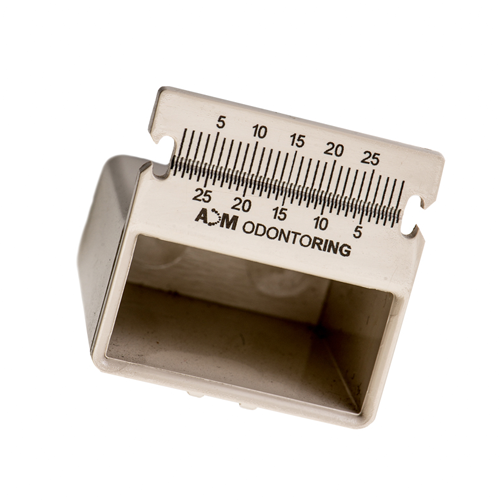
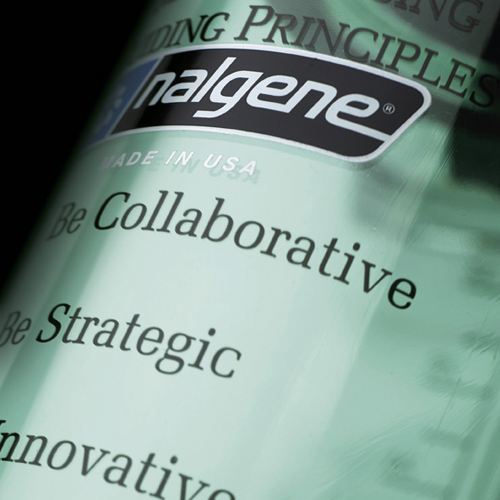
Laser marking offers numerous advantages in the medical field, primarily due to its precision and durability. Unlike traditional marking methods, laser engraving ensures that markings are permanent and resistant to wear, which is crucial for medical instruments that undergo repeated sterilization and handling.
Additionally, laser marking is non-contact, which means it does not affect the integrity of the materials being marked. This is particularly important for sensitive medical devices, as it prevents any potential contamination or damage that could arise from other marking techniques. The ability to mark intricate designs and barcodes also enhances traceability and compliance with regulatory standards in healthcare.
Applications of Laser Marking in Healthcare
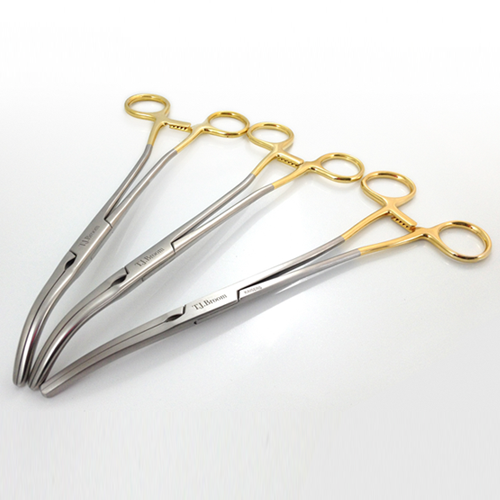
Laser marking technology is widely used across various applications in the healthcare sector. From marking surgical instruments to labeling medical devices, the versatility of laser marking ensures that it meets the diverse needs of hospitals and clinics.
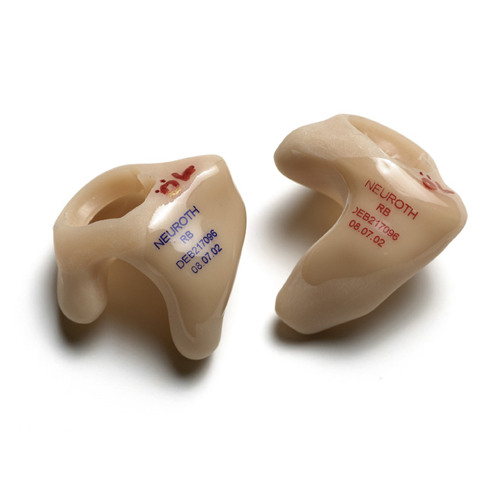
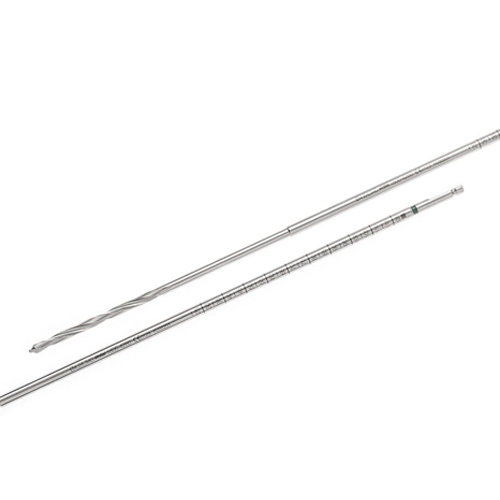
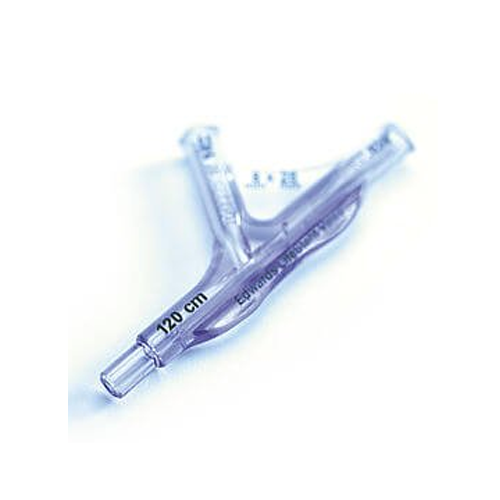
Common applications include engraving patient information on surgical tools, marking implants with unique identifiers, and creating barcodes for inventory management. These applications not only improve operational efficiency but also enhance patient safety by ensuring that all medical instruments are easily traceable and identifiable.
Materials Suitable for Laser Marking
Laser marking can be effectively applied to a wide range of materials commonly used in the medical industry. The choice of material significantly impacts the quality and durability of the markings produced.
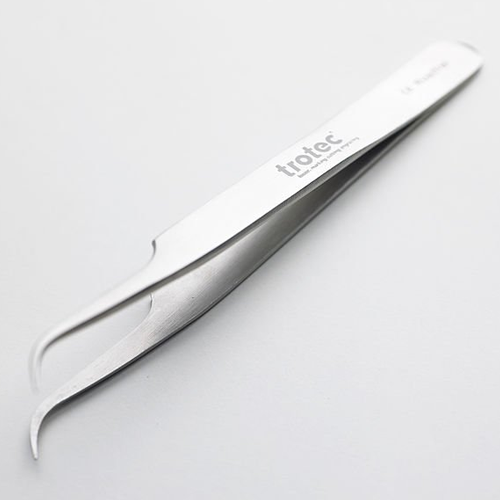
Materials such as stainless steel, titanium, and high-alloy steels are ideal for surgical instruments due to their strength and resistance to corrosion. Additionally, plastics like PEEK are increasingly used for implants, allowing for high-quality markings that maintain the integrity of the device. Understanding the compatibility of different materials with laser marking processes is essential for achieving optimal results.
Compliance and Safety Standards in Laser Marking
Ensuring compliance with safety standards is paramount in the medical industry, and laser marking plays a critical role in this aspect. Markings must adhere to stringent regulations to guarantee that medical devices are safe for patient use.
Laser marking methods are designed to meet various international standards, including ISO and FDA regulations. By utilizing laser marking, manufacturers can ensure that their products are not only compliant but also enhance the safety and reliability of medical instruments through clear and durable markings that withstand the rigors of medical environments.
Benefits of Laser Marking in Medical Applications
Laser marking offers numerous advantages in the medical field, primarily due to its precision and durability. Unlike traditional marking methods, laser engraving ensures that markings are permanent and resistant to wear, which is crucial for medical instruments that undergo repeated sterilization and handling.
Additionally, laser marking is non-contact, which means it does not affect the integrity of the materials being marked. This is particularly important for sensitive medical devices, as it prevents any potential contamination or damage that could arise from other marking techniques. The ability to mark intricate designs and barcodes also enhances traceability and compliance with regulatory standards in healthcare.
Applications of Laser Marking in Healthcare
Laser marking technology is widely used across various applications in the healthcare sector. From marking surgical instruments to labeling medical devices, the versatility of laser marking ensures that it meets the diverse needs of hospitals and clinics.
Common applications include engraving patient information on surgical tools, marking implants with unique identifiers, and creating barcodes for inventory management. These applications not only improve operational efficiency but also enhance patient safety by ensuring that all medical instruments are easily traceable and identifiable.
Materials Suitable for Laser Marking
Laser marking can be effectively applied to a wide range of materials commonly used in the medical industry. The choice of material significantly impacts the quality and durability of the markings produced.
Materials such as stainless steel, titanium, and high-alloy steels are ideal for surgical instruments due to their strength and resistance to corrosion. Additionally, plastics like PEEK are increasingly used for implants, allowing for high-quality markings that maintain the integrity of the device. Understanding the compatibility of different materials with laser marking processes is essential for achieving optimal results.
Compliance and Safety Standards in Laser Marking
Ensuring compliance with safety standards is paramount in the medical industry, and laser marking plays a critical role in this aspect. Markings must adhere to stringent regulations to guarantee that medical devices are safe for patient use.
Laser marking methods are designed to meet various international standards, including ISO and FDA regulations. By utilizing laser marking, manufacturers can ensure that their products are not only compliant but also enhance the safety and reliability of medical instruments through clear and durable markings that withstand the rigors of medical environments.