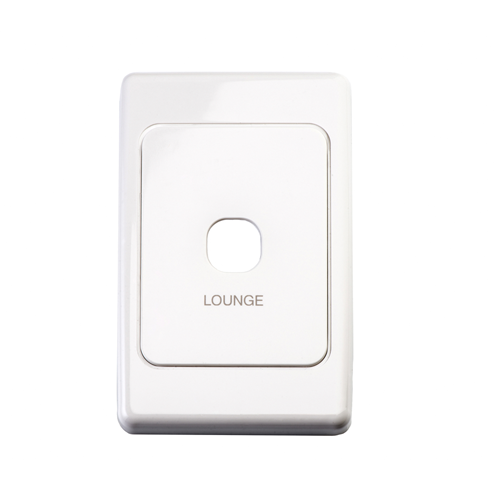
Advantages of Laser Marking for Electrical Components
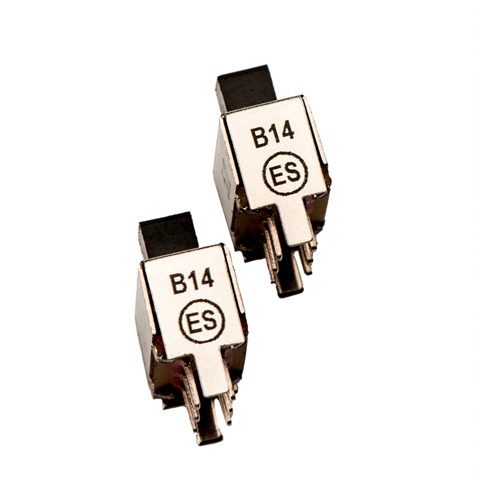
Laser marking offers several advantages for electrical components, including precision, durability, and versatility. The technology allows for high-resolution markings that are resistant to wear and environmental factors, ensuring that labels and identifiers remain clear and legible throughout the product's lifecycle.
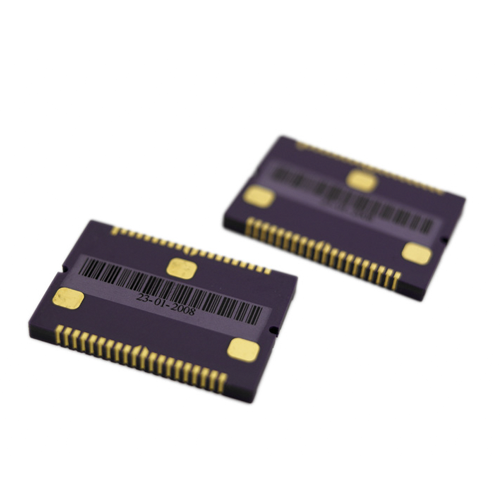
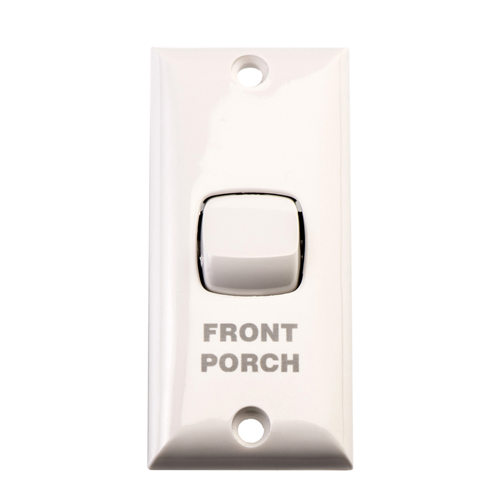
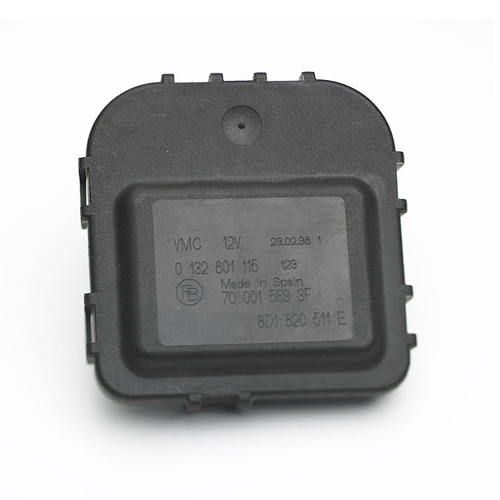
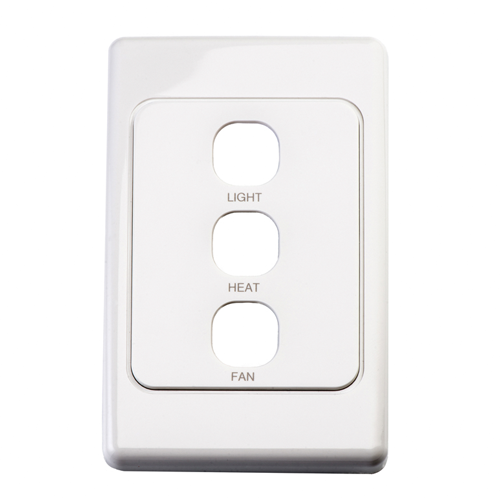
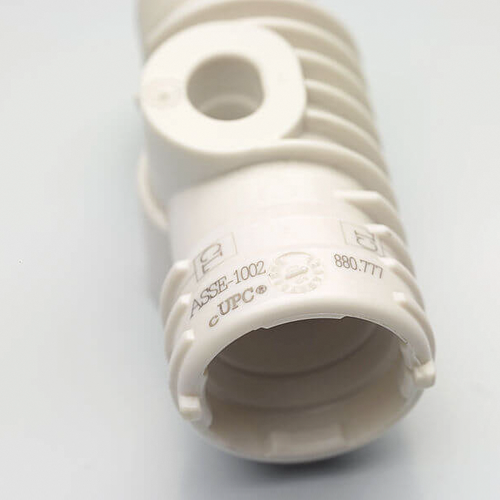
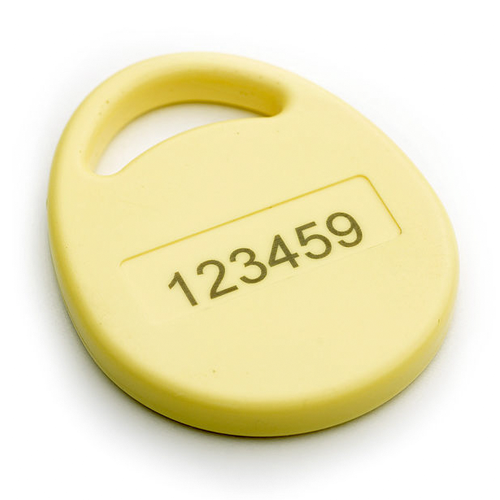
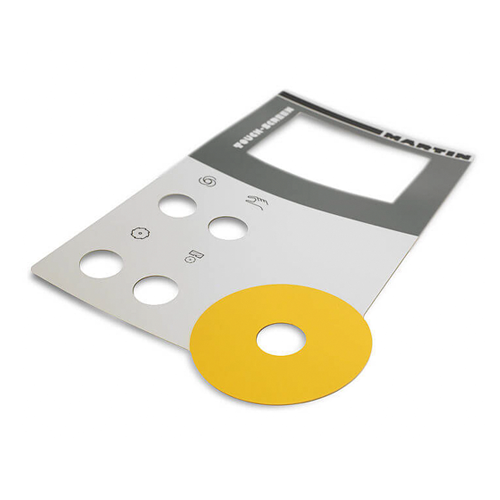
For example, laser marking can create intricate designs and barcodes on various materials such as plastics and metals. This precision is particularly beneficial in the electrical industry, where clear identification is crucial for safety and compliance. Additionally, the non-contact nature of laser marking minimizes the risk of damaging sensitive components during the marking process.
Applications of Laser Marking in the Electrical Sector
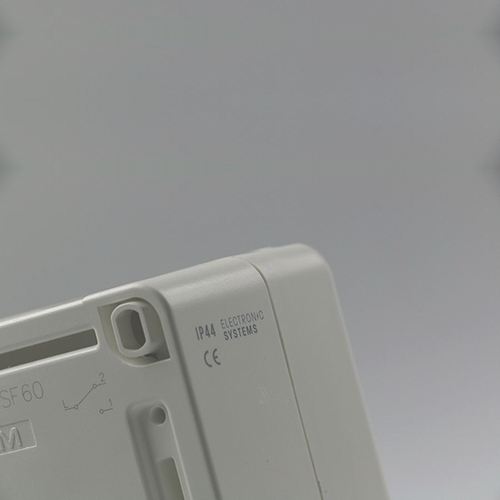
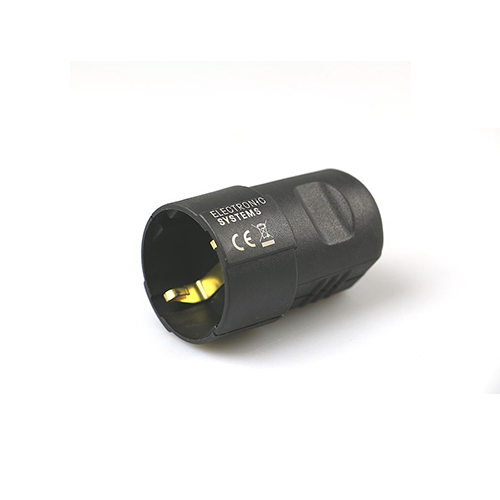
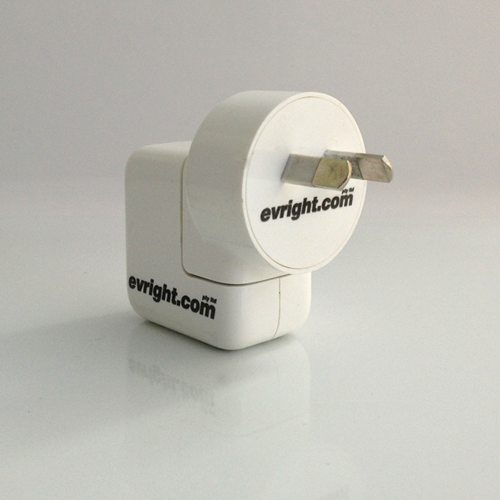
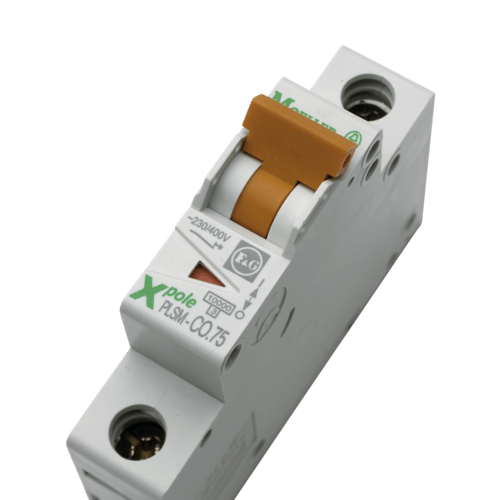
Laser marking is widely used in the electrical sector for a variety of applications, from marking identification codes on circuit boards to engraving logos on electrical housings. This technology is essential for ensuring traceability and compliance with industry standards, making it a vital component of modern manufacturing processes.
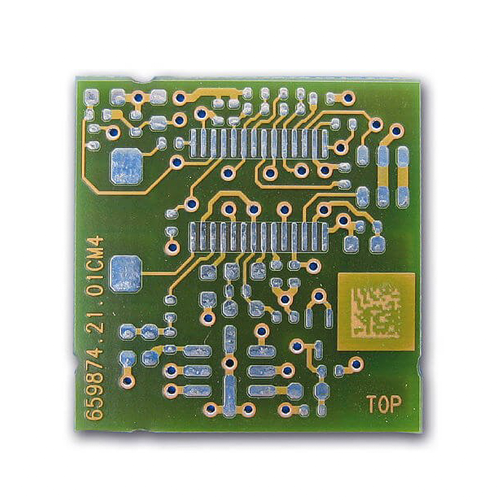
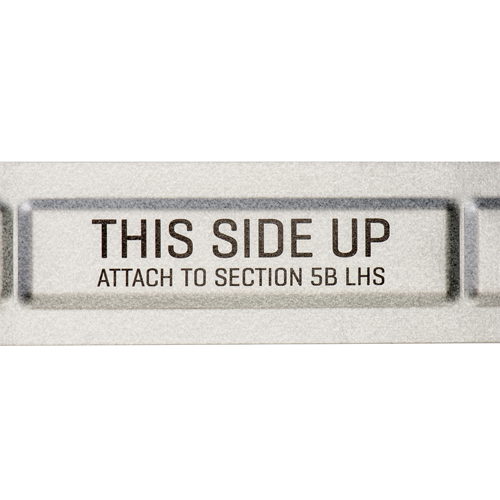
Common applications include marking PCB boards, wire markers, and asset labels. Furthermore, laser marking can be employed for creating durable markings on outdoor signage and safety labels, which are critical for operational safety in both residential and industrial environments.
Materials Suitable for Laser Marking
Laser marking technology is compatible with a wide range of materials, making it a versatile choice for various applications in the electrical industry. Common materials include plastics, metals, and ceramics, each offering unique benefits when marked with lasers.
For instance, plastics can be marked with high precision to create detailed designs without compromising the integrity of the material. Metals, on the other hand, can be engraved deeply for permanent markings that withstand harsh conditions. Understanding the properties of different materials helps in selecting the right laser marking technique for specific applications.
Case Studies: Successful Laser Marking Projects
Case studies of successful laser marking projects illustrate the effectiveness of this technology in real-world applications. These examples showcase how businesses have improved efficiency, compliance, and branding through the implementation of laser marking solutions.
One notable case involved a manufacturer of electrical components who used laser marking to improve traceability on their PCB boards. By switching to laser marking, they reduced labeling errors and increased production speed, ultimately enhancing their product quality and customer satisfaction.
Advantages of Laser Marking for Electrical Components
Laser marking offers several advantages for electrical components, including precision, durability, and versatility. The technology allows for high-resolution markings that are resistant to wear and environmental factors, ensuring that labels and identifiers remain clear and legible throughout the product's lifecycle.
For example, laser marking can create intricate designs and barcodes on various materials such as plastics and metals. This precision is particularly beneficial in the electrical industry, where clear identification is crucial for safety and compliance. Additionally, the non-contact nature of laser marking minimizes the risk of damaging sensitive components during the marking process.
Applications of Laser Marking in the Electrical Sector
Laser marking is widely used in the electrical sector for a variety of applications, from marking identification codes on circuit boards to engraving logos on electrical housings. This technology is essential for ensuring traceability and compliance with industry standards, making it a vital component of modern manufacturing processes.
Common applications include marking PCB boards, wire markers, and asset labels. Furthermore, laser marking can be employed for creating durable markings on outdoor signage and safety labels, which are critical for operational safety in both residential and industrial environments.
Materials Suitable for Laser Marking
Laser marking technology is compatible with a wide range of materials, making it a versatile choice for various applications in the electrical industry. Common materials include plastics, metals, and ceramics, each offering unique benefits when marked with lasers.
For instance, plastics can be marked with high precision to create detailed designs without compromising the integrity of the material. Metals, on the other hand, can be engraved deeply for permanent markings that withstand harsh conditions. Understanding the properties of different materials helps in selecting the right laser marking technique for specific applications.
Case Studies: Successful Laser Marking Projects
Case studies of successful laser marking projects illustrate the effectiveness of this technology in real-world applications. These examples showcase how businesses have improved efficiency, compliance, and branding through the implementation of laser marking solutions.
One notable case involved a manufacturer of electrical components who used laser marking to improve traceability on their PCB boards. By switching to laser marking, they reduced labeling errors and increased production speed, ultimately enhancing their product quality and customer satisfaction.